Free the Neatos
Giving our robot friends the life they always dreamed of…
Course: Fall 2025 Computational Robotics Final Project at Olin College
Contributors: Andrew Kurtz, Jojo Liu, Cian Linehan, Franklin Noble, David Barsoum
Project Overview
At Olin College, the Neato vacuum robots have been faithful learning companions, teaching students about robotics, programming, and autonomous systems. However, while they've been excellent educational tools, these hardworking robots haven't actually cleaned anything in a long time. They've been stuck in the classroom, their cleaning dreams lost forever. Or so they thought...
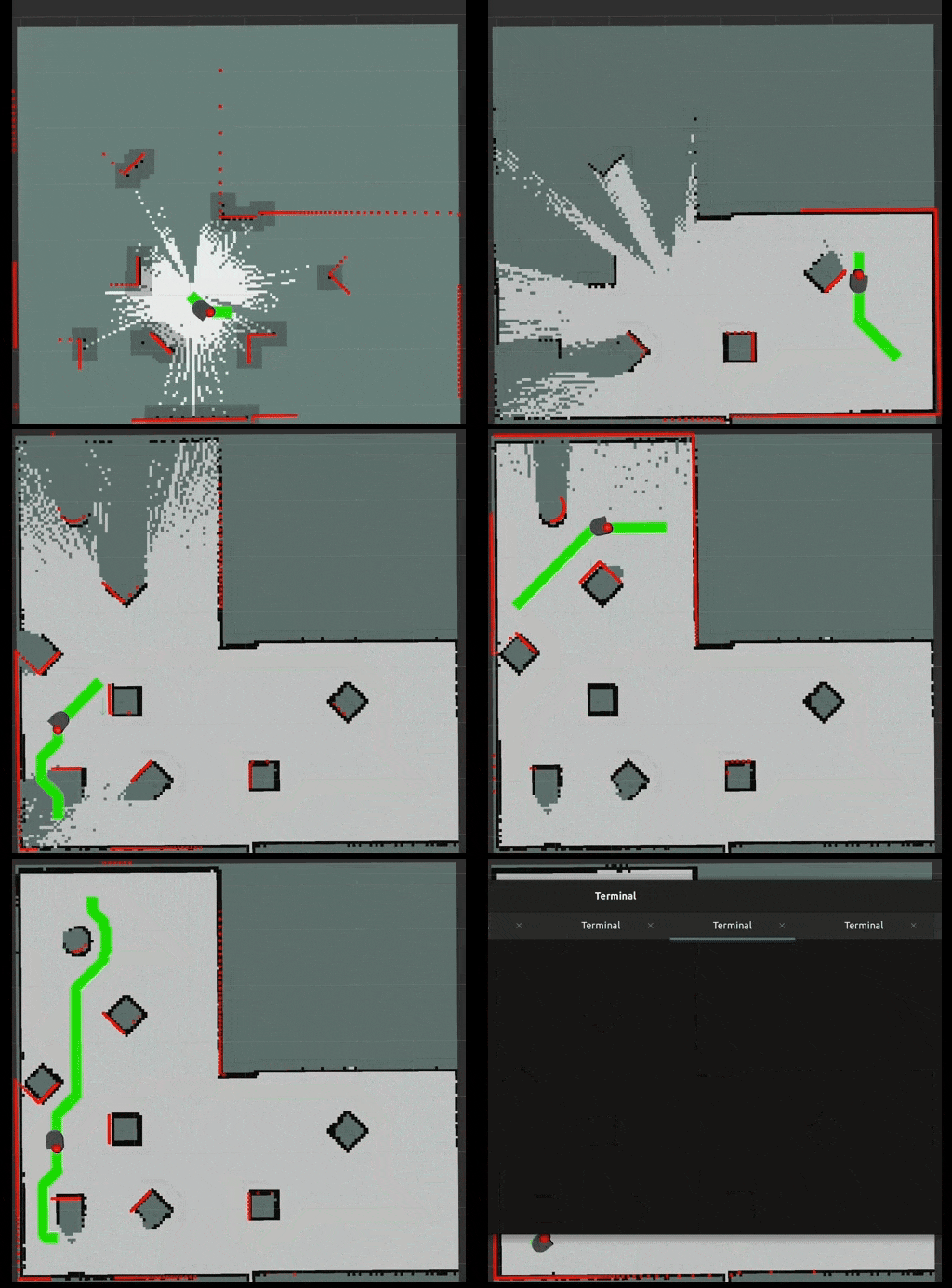
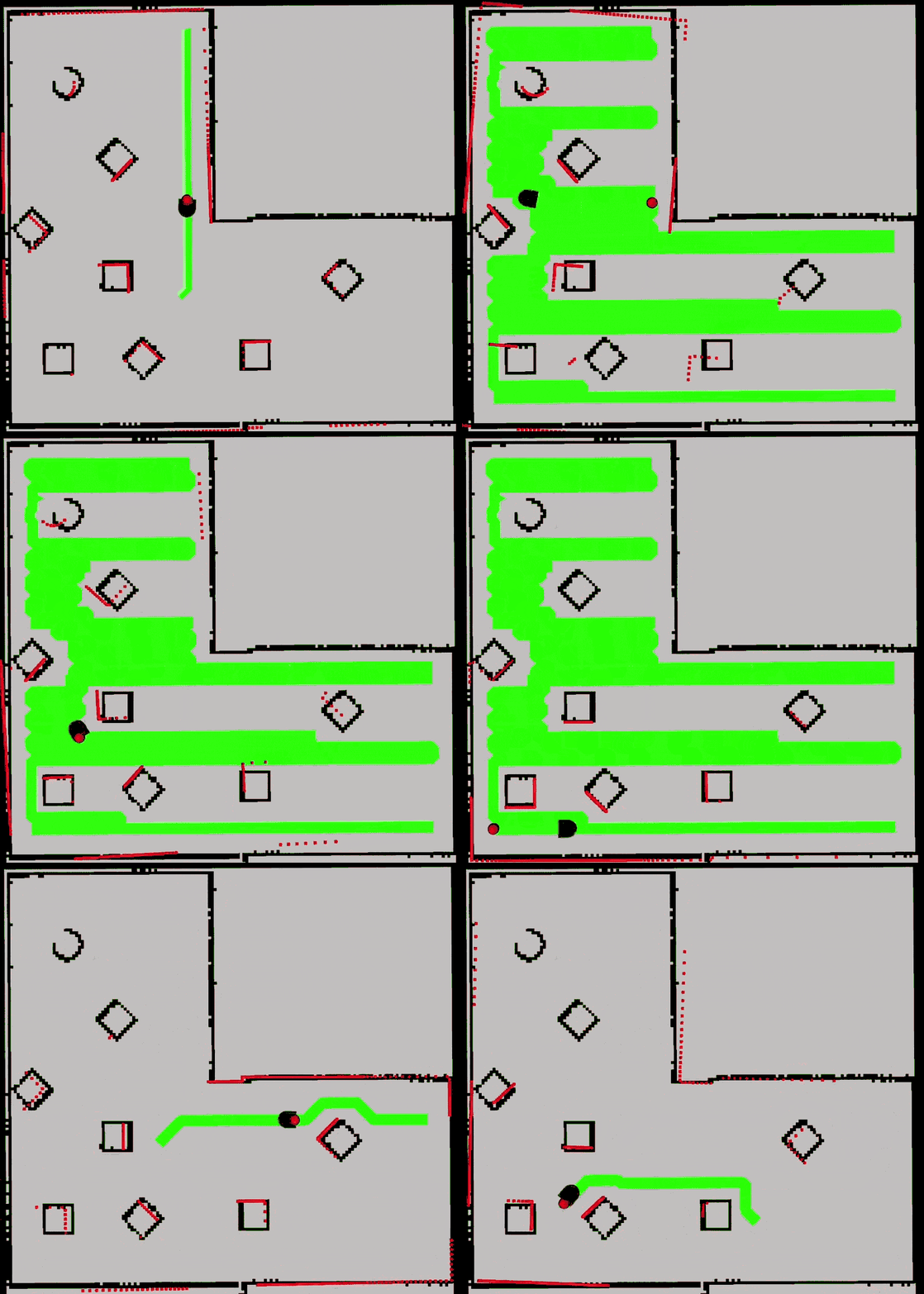
This project seeks to change that. We're giving the Neatos a chance to return to their true calling by implementing a complete autonomous cleaning system. Through full mapping algorithms and intelligent coverage path planning, we're programming these robots to finally do what they were built to do: clean! It's time to free the Neatos from their educational limbo and let them roam the floors once more, fulfilling their vacuum destiny.
Goals
1. All basic robot vacuum functionality
Functioning prototype of mapping + cleaning in sim
2. Learn about mobile robot algorithms
Learn about and implement different mobile robotics algorithms
3. ROS2 Experience
Practice implementing larger ROS system and using more ROS features
Ethics Statement
By following this Model Card Framework, we created a card to make clear the intentions and implications of our robotic system:
Intended Use:
Our primary intended use is educational and experimental. While our goal is to create a fully functional autonomous cleaning system, our true motivation is to deepen our understanding of mobile robotics, SLAM algorithms, and path planning techniques through hands-on implementation.
Our primary intended users include ourselves as creators, Olin College students and faculty who may use this as a learning resource, and anyone interested in understanding autonomous vacuum robot systems who has access to similar hardware (Neato robots or compatible platforms).
Factors:
The primary factors that can affect performance are environmental. Our system requires an indoor space with relatively flat surfaces, adequate lighting for visual sensors, and a reasonably structured environment. The robot's performance may be impacted by highly cluttered spaces, very dark areas, or environments with highly reflective surfaces that can confuse LIDAR sensors.
Metrics:
Due to the educational scope and development stage of our project, we have limited quantitative metrics for cleaning efficiency and coverage. Our primary success metrics are functional: the ability to successfully map an environment, navigate autonomously, and execute a coverage path. We acknowledge that comprehensive performance evaluation would require extensive real-world testing across diverse environments.
Ethical Considerations:
As an educational project focused on learning and skill development, our primary ethical considerations center on safety and responsible development. We ensure the robot operates in controlled environments with human supervision, and we prioritize safety protocols to prevent damage to property or harm to people or pets. We recognize that autonomous systems should be developed with transparency about their capabilities and limitations.
Limitations and Recommendations:
Our biggest known limitation is that the system is designed for simulation and controlled testing environments. The transition to real-world deployment would require additional safety features, error handling, and robustness testing. We recommend that anyone using or building upon this system thoroughly test in safe, controlled environments before considering any practical deployment. The system should not be used in environments with pets, small children, or valuable objects without careful supervision and additional safety measures.